

Professional Cleaning Methods Target Grease and Residue Accumulation in Kitchen Environments
Grease and residue tend to build gradually and can affect multiple surfaces within a kitchen”
BATON ROUGE, LA, UNITED STATES, April 6, 2026 /EINPresswire.com/ -- Grease and residue accumulation in kitchen areas present ongoing challenges in both residential and commercial environments. Professional cleaning practices are designed to address these conditions through structured processes that focus on surface breakdown, removal techniques, and maintenance of sanitary conditions.— Falesity Mecca
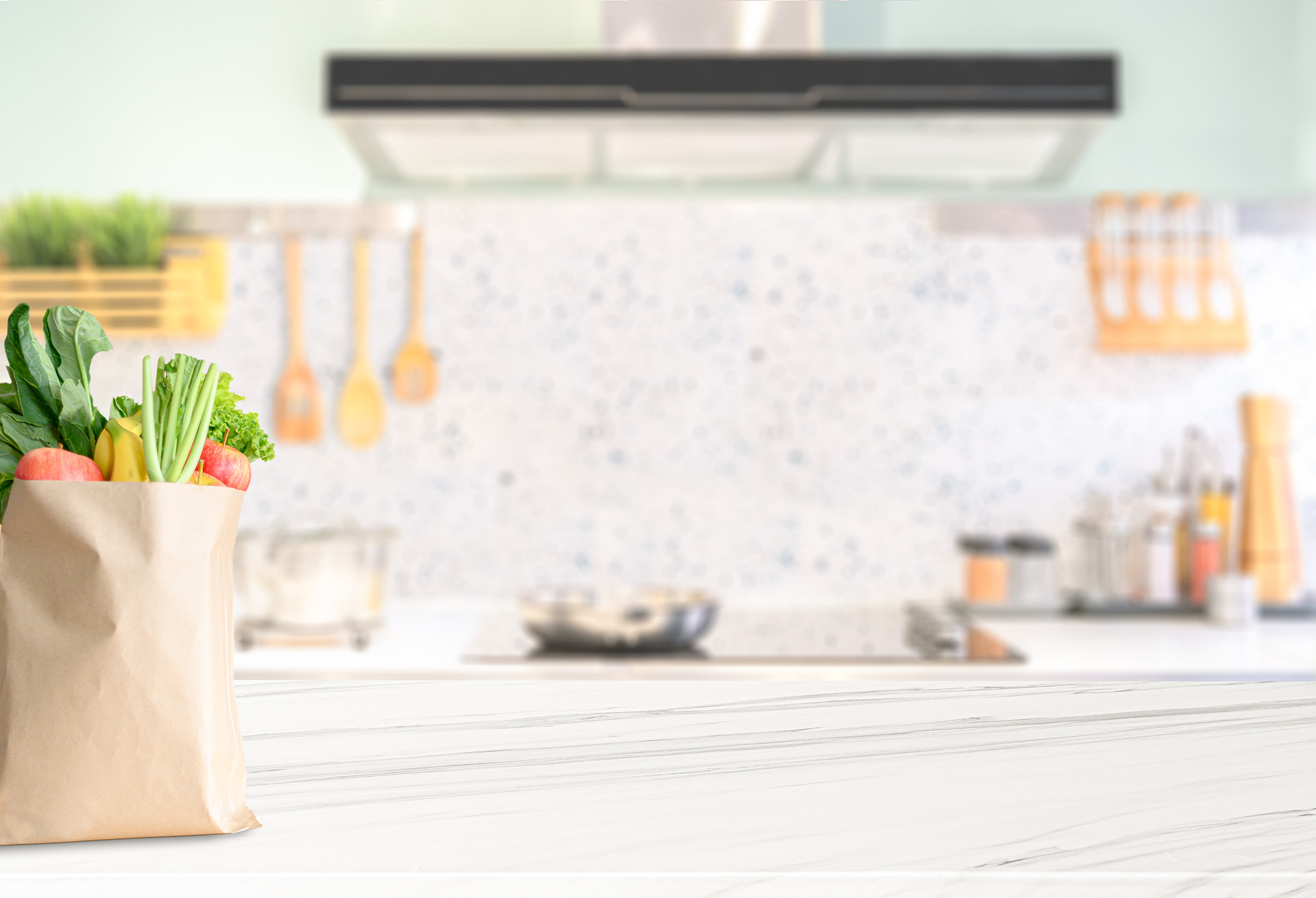
Kitchen environments generate grease as a byproduct of cooking processes involving oils, fats, and heat. Over time, airborne particles settle on surfaces such as cabinets, countertops, appliances, and ventilation systems. This buildup can create a layered residue that is difficult to remove using basic cleaning methods.
Grease accumulation does not remain confined to visible surfaces. It can extend to less accessible areas, including behind appliances, within ventilation hoods, and along wall surfaces. These areas may require targeted approaches to ensure thorough removal and prevent ongoing buildup.
Professional cleaning practices typically involve the use of degreasing agents formulated to break down oils and fats. These agents are applied to affected surfaces and allowed to penetrate residue layers. The breakdown process reduces the adhesion of grease to surfaces, making removal more effective.
Mechanical action is often used in combination with cleaning solutions. Scrubbing, wiping, and agitation help lift residue from surfaces once it has been chemically softened. The combination of chemical and physical processes contributes to a more complete cleaning outcome.
Temperature can influence the effectiveness of grease removal. Warm or hot water is commonly used in conjunction with cleaning agents to enhance the breakdown of oils. Heat can reduce the viscosity of grease, allowing it to be more easily removed during the cleaning process.
Different materials within kitchen environments require specific cleaning considerations. Stainless steel, tile, wood, and composite surfaces may respond differently to cleaning agents and techniques. Professional cleaning approaches take these variations into account to avoid damage while achieving effective residue removal.
Ventilation systems represent a critical area for grease accumulation. Cooking processes release airborne particles that can be drawn into exhaust systems. Over time, grease can collect within ductwork and on filters, affecting airflow and potentially creating safety concerns. Cleaning these components requires specialized methods to ensure thorough removal.
Floor surfaces are also subject to grease buildup, particularly in areas near cooking stations. Residue on floors can create slip hazards and affect overall cleanliness. Professional cleaning methods address these areas using appropriate solutions and equipment designed for floor surfaces.
Consistency in cleaning practices is an important factor in managing grease accumulation. Regular cleaning schedules can reduce the extent of buildup and make ongoing maintenance more manageable. Without consistent attention, residue layers can become more difficult to remove over time.
Falesity Mecca, owner of Mid City Cleaning of Baton Rouge, addressed the role of professional cleaning in kitchen environments.
“Grease and residue tend to build gradually and can affect multiple surfaces within a kitchen,” said Falesity Mecca. “Effective cleaning involves breaking down that buildup and removing it in a way that maintains surface integrity.”
In addition to surface cleaning, attention is often given to areas that are not immediately visible. Behind appliances, under equipment, and along edges where residue can accumulate require deliberate inspection and cleaning. Addressing these areas contributes to a more comprehensive result.
Sanitation considerations are also part of the cleaning process. Residue buildup can create conditions that support the presence of bacteria and other contaminants. Removing grease layers helps reduce these conditions and supports a cleaner environment overall.
Equipment used in professional cleaning may include specialized tools designed to reach confined or elevated areas. Extension tools, brushes, and pressure-based systems can assist in accessing areas that are difficult to clean manually.
The effectiveness of professional cleaning methods is influenced by the combination of technique, materials, and frequency. Each factor contributes to the overall ability to manage grease accumulation and maintain consistent conditions within kitchen environments.
As kitchen activity continues, residue accumulation remains an ongoing consideration. Cooking processes naturally produce oils and particles that settle over time. Addressing this accumulation requires structured cleaning practices that focus on both visible and hidden areas.
Understanding how grease and residue develop provides context for the importance of targeted cleaning methods. Professional approaches are designed to address these conditions through a combination of chemical, mechanical, and procedural techniques.
As kitchens continue to be used for daily operations, maintaining cleanliness remains a key component of overall functionality. Professional cleaning practices contribute to managing residue buildup and supporting consistent conditions within these environments.
Morgan Thomas
Rhino Digital, LLC
+1 504-875-5036
email us here
Visit us on social media:
Facebook
Legal Disclaimer:
EIN Presswire provides this news content "as is" without warranty of any kind. We do not accept any responsibility or liability for the accuracy, content, images, videos, licenses, completeness, legality, or reliability of the information contained in this article. If you have any complaints or copyright issues related to this article, kindly contact the author above.
